Blemishes vs Pigmentation FAQ: Understanding Your Skin Concerns

 175 ml
Cica Calming Blemish Clearing Gel Face Wash
Ever stared at your reflection wondering whether that mark on your face is a blemish or pigmentation? You're definitely not alone in this skincare puzzle. Understanding the difference between blemishes and pigmentation is like having a secret decoder for your skin—it helps you pick the right products and treatments that actually work. Let's break down these common skin concerns so you can tackle them with confidence and finally get that clear, even complexion you're after.
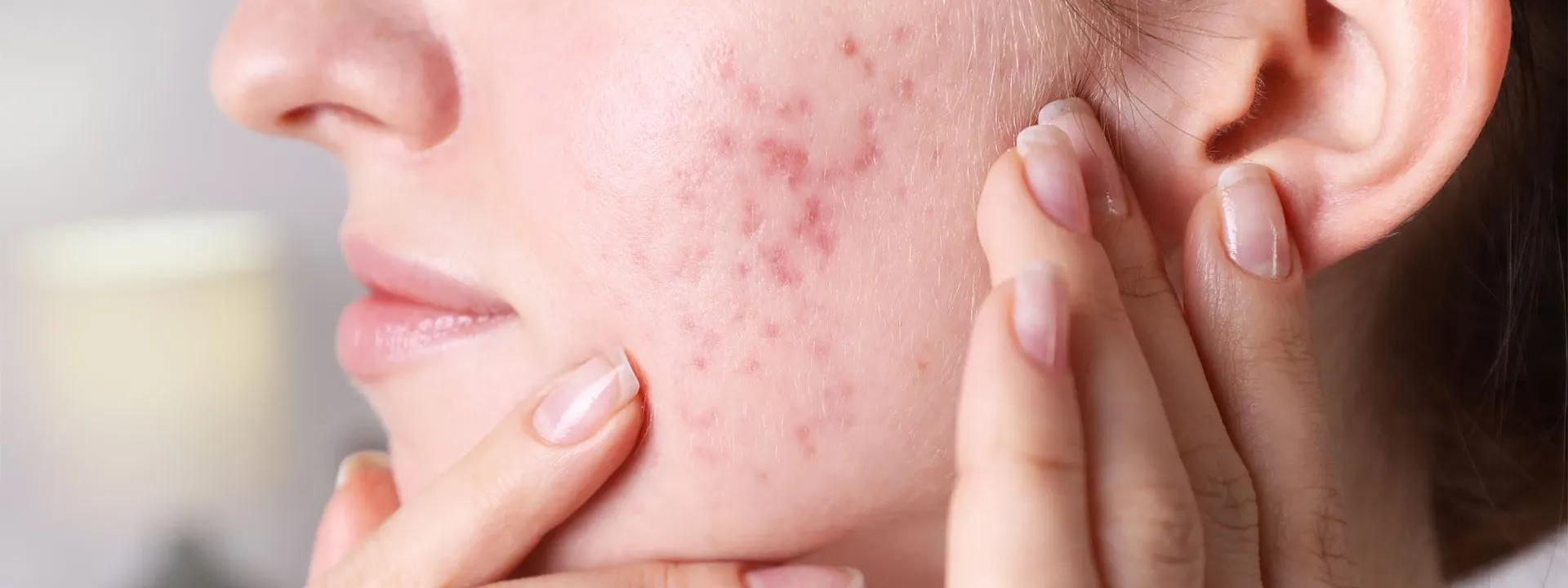
Skin blemishes are those pesky raised spots that seem to pop up at the worst possible moments. Think of them as temporary visitors on your skin—they arrive uninvited, make themselves known, and eventually leave (though sometimes they overstay their welcome). Blemishes are essentially inflamed areas where your pores get clogged with oil, dead skin cells, and bacteria.
The most common types of blemishes include blackheads, whiteheads, papules, pustules, and cysts. Each has its own personality, if you will. Blackheads are those tiny dark dots that love to hang out on your nose, while whiteheads are their closed-off cousins. Papules are small, red bumps that feel tender to touch, and pustules are the ones with that white or yellow centre that you definitely shouldn't squeeze (though we've all been there).
What makes blemishes stand out is their texture. They're raised above your skin's surface and often feel bumpy or rough when you run your fingers over them. Many blemishes come with inflammation, which means redness, swelling, and sometimes pain. They're like little volcanoes on your skin—active, noticeable, and demanding attention.
Your face is prime real estate for blemishes, especially the T-zone (forehead, nose, and chin) where oil production runs high. But they're not limited to your face—your back, chest, and shoulders are also common spots. Basically, anywhere you have oil glands, you might get blemishes.
Skin pigmentation is a completely different beast. Unlike blemishes, pigmentation issues are all about colour changes in your skin without any raised texture. It's your skin's melanin production going a bit haywire, creating patches that are darker or lighter than your natural skin tone. Think of it as your skin's way of keeping a permanent record of past trauma or sun exposure.
Hyperpigmentation happens when certain areas of your skin produce more melanin than others, creating those frustrating dark spots. The most common types include melasma (those symmetrical patches that love to appear during pregnancy), sun spots from UV damage, age spots that come with time, and post-inflammatory hyperpigmentation that shows up after your skin has been irritated or injured.
Here's where things get interesting—blemishes and pigmentation can actually be connected. When you have an active blemish, the inflammation can trigger your skin to produce extra melanin in that area. This is called post-inflammatory hyperpigmentation, and it's why that spot where you had a pimple last month is now a dark mark.
 30ml
30mlBye Bye Pigmentation Serum, For Pigmentation, Dark Spots, Blemishes
Acne scars often result in this type of pigmentation, especially if you've picked at your skin or if the blemish was particularly inflamed. The timeline usually goes like this: active blemish appears, inflammation occurs, blemish heals, but leaves behind a dark spot that can stick around for months or even years.
The blemishes vs pigmentation debate becomes clearer when you know what to look for. The most obvious difference is texture—blemishes are raised and bumpy, while pigmentation is completely flat. You can feel a blemish when you touch it, but pigmentation is smooth to the touch, just a different colour.
Duration is another major difference. Blemishes are temporary troublemakers that usually clear up within days to weeks with proper treatment. Pigmentation, on the other hand, is the marathon runner of skin concerns—it can stick around for months or years without intervention. While a blemish might hurt or feel tender, pigmentation is typically painless. It's just there, quietly affecting your skin tone.
Blemishes often come with redness, swelling, and that unmistakable raised appearance. They might have a white or black centre, and they definitely change the texture of your skin. Pigmentation appears as flat patches or spots that are darker (or sometimes lighter) than your surrounding skin, with no change in texture whatsoever.
Understanding the root causes helps you tackle these skin concerns more effectively. The triggers for blemishes and pigmentation are quite different, which is why they need different treatment approaches.
Sun damage tops the list of hyperpigmentation causes. Those UV rays don't just give you a tan—they can trigger uneven melanin production that shows up as dark spots later on. Hormonal changes during pregnancy, menopause, or from birth control can also cause pigmentation issues, particularly melasma.
Any kind of skin trauma or inflammation can lead to pigmentation. This includes everything from aggressive scrubbing to picking at blemishes. Even certain medications and genetic factors can make you more prone to developing uneven skin tone and skin discoloration.
Blemishes are primarily caused by clogged pores. When your skin produces too much oil, and it mixes with dead skin cells and gets trapped in your pores, you get the perfect environment for bacteria to thrive. Hormonal fluctuations, especially during your menstrual cycle, pregnancy, or teenage years, can ramp up oil production and trigger breakouts.
 30 ml
30 mlTea Tree & 10% Niacinamide Blemish Remover Serum For Acne Mark & Acne-Prone Skin
Poor skincare habits like not cleansing properly, using comedogenic products, or over-washing your face can also contribute to blemishes. Even your diet, stress levels, and lifestyle choices can play a role in how often you break out.
The good news is that both blemishes and pigmentation can be treated effectively, but they require different strategies. What works for one won't necessarily work for the other, which is why identifying your specific concern is so important.
For blemish treatment, salicylic acid is your best friend. It gets deep into your pores to unclog them and prevent new blemishes from forming. Benzoyl peroxide is another powerhouse ingredient that kills acne-causing bacteria and reduces inflammation. Retinoids speed up cell turnover, helping your skin shed dead cells more efficiently and preventing clogged pores.
Professional treatments like extractions, chemical peels, and light therapy can also be incredibly effective for stubborn blemishes. The key is consistency and patience—most blemish treatment options take 6-12 weeks to show significant results.
Pigmentation requires a different approach focused on inhibiting melanin production and speeding up cell turnover. Vitamin C is excellent for brightening skin and preventing new dark spots from forming. Niacinamide helps regulate melanin production and can fade existing pigmentation over time.
Retinoids work for pigmentation too, but for different reasons—they accelerate cell renewal, helping pigmented cells shed faster. Sunscreen is absolutely crucial for preventing new pigmentation and stopping existing spots from getting darker. Professional treatments like laser therapy, IPL, and chemical peels can provide more dramatic results for stubborn pigmentation.
Many people deal with both blemishes and pigmentation simultaneously. In these cases, ingredients like retinoids can be particularly helpful since they address both concerns. However, you need to be careful about layering active ingredients to avoid irritation.
This is where platforms like Smytten become incredibly valuable. With access to trial packs from trusted brands like Cetaphil, Dot & Key, and Renee, you can test different products to see what works for your specific skin concerns without committing to full-size purchases. Getting up to 8 minis for just ₹249 means you can experiment with various treatments safely and affordably.
 15 ml
15 mlPigmentbio C- Concentrate Brightening Cream Corrector Pigmentation Disorders
Skin pigmentation appears as flat patches or spots that are darker or lighter than your natural skin tone. Unlike blemishes, these areas don't have any raised texture—they're smooth to touch but visually different in colour. Common types include brown or black spots from sun damage, greyish patches from melasma, or dark marks left behind after acne heals.
Active blemishes are temporary and will heal with proper treatment, but the timeline varies. Most blemishes clear up within days to weeks. However, some severe forms like cystic acne might leave behind scars or pigmentation. The key is treating blemishes early and avoiding picking or squeezing, which can lead to permanent scarring or pigmentation.
Retinoids are excellent for addressing both concerns simultaneously. They help unclog pores to prevent blemishes while speeding up cell turnover to fade pigmentation. Niacinamide is another versatile ingredient that can help with both issues. However, combination treatments require patience and careful introduction to avoid irritation.
Blemishes typically respond faster to treatment, with improvements visible within 2-6 weeks. Pigmentation is more stubborn—you might need 3-6 months of consistent treatment to see significant fading. Factors like the depth of pigmentation, your skin type, and the treatment method all affect how quickly you'll see results.
Acne scars involve actual changes to your skin's texture—they can be depressed (atrophic scars) or raised (hypertrophic scars). Pigmentation from acne, on the other hand, is just a colour change with no textural difference. Post-inflammatory hyperpigmentation is flat and smooth, while true acne scars have physical indentations or raised areas.
Some ingredients work for both, but most products are formulated to target specific concerns. Retinoids, niacinamide, and vitamin C can address both issues to some extent. However, you might need specialised products—like salicylic acid for blemishes or hydroquinone for stubborn pigmentation—for optimal results.
Understanding the difference between blemishes and pigmentation is your first step towards clearer, more even-toned skin. Remember, blemishes are temporary, raised, and often inflamed, while pigmentation is flat, long-lasting, and purely about colour changes. Each requires its own treatment approach, but with the right products and patience, both can be effectively managed.
The beauty of modern skincare is that you don't have to guess what works for your skin. With Smytten's trial platform, you can explore products from over 1,500 trusted brands, testing everything from gentle cleansers to targeted treatments. With 100% cashback on trial purchases and the ability to buy full-size versions of products you love, you can build a skincare routine that actually works for your specific concerns. After all, why settle for maybe when you can try it all and find exactly what your skin needs?
