How to Choose the Best Sunscreen for Pigmentation Issues

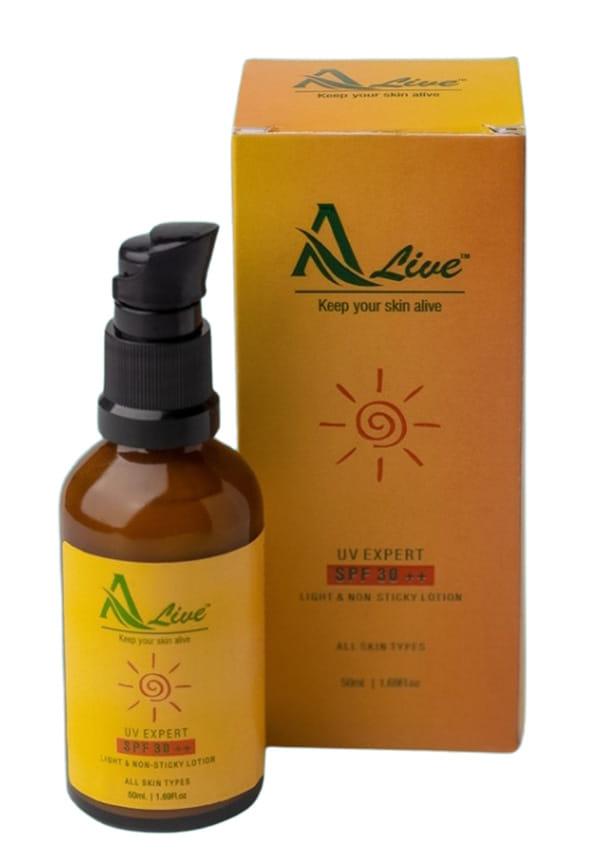 50 ml
50 mlSpf 30 ++
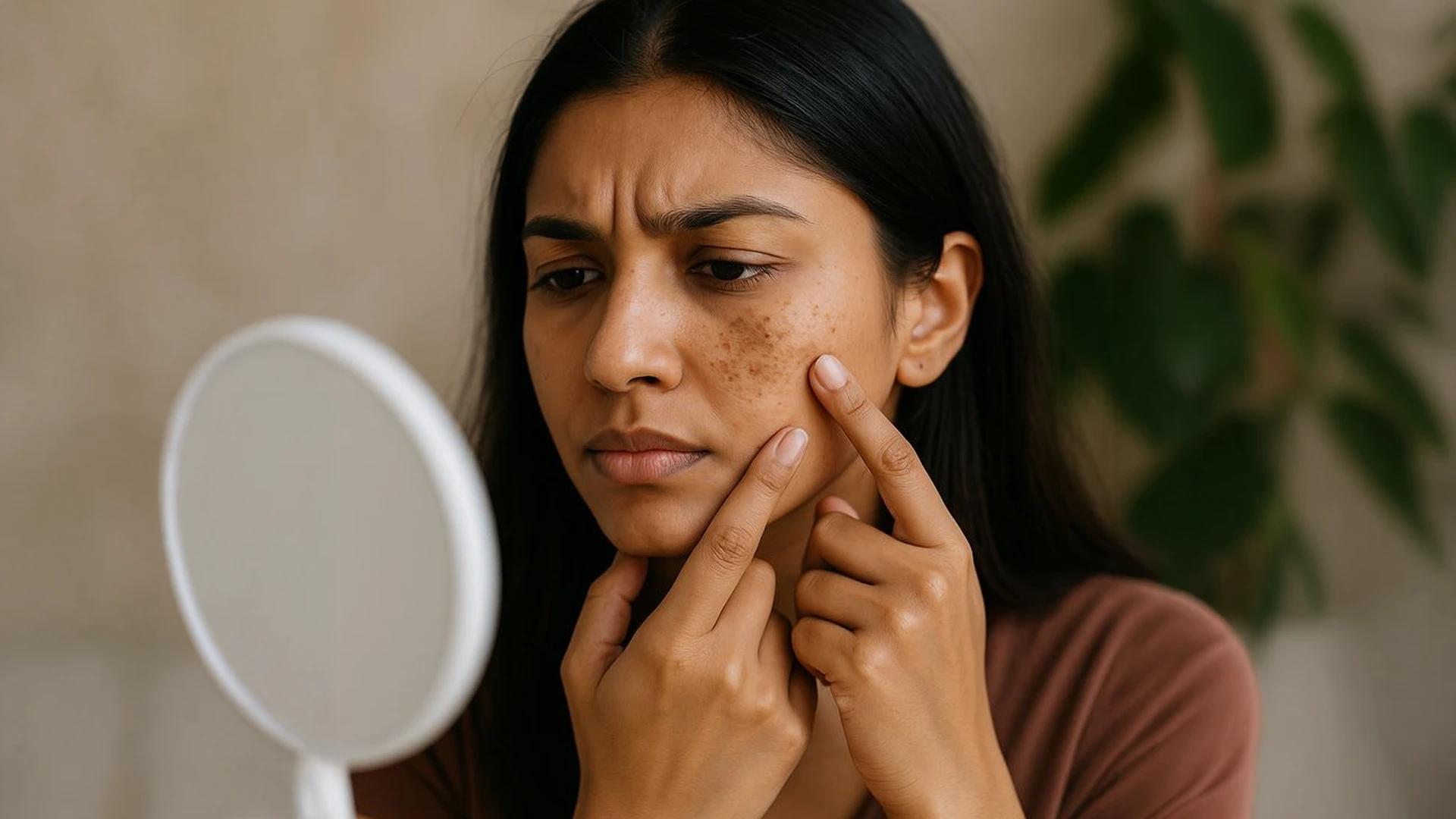
You've been diligently applying your vitamin C serum and using that brightening mask twice a week, but those stubborn dark spots seem to have a mind of their own. Here's the thing about pigmentation issues - they're not just about what you put on your skin in the evening. The real game-changer happens every single morning when you choose your sunscreen for pigmentation issues. Without proper sun protection, even the most expensive treatments are fighting an uphill battle against UV rays that keep triggering fresh melanin production.
Let's start with what's actually happening beneath your skin's surface. Hyperpigmentation occurs when melanocytes - your skin's pigment-producing cells - go into overdrive, creating those frustrating patches of discolouration we all know too well. Whether it's post-inflammatory marks from that hormonal breakout last month or melasma that appeared during pregnancy, these dark spots share one common enemy: ultraviolet radiation.
UV exposure doesn't just create new pigmentation - it actively darkens existing spots. Think of it like this: every unprotected moment in the sun is like adding another layer of paint to an already dark canvas. This is why dermatologists consistently emphasise that sun protection for melasma and other pigmentation concerns isn't optional - it's the foundation of any effective treatment plan.
Beyond UV damage, several factors can kickstart the pigmentation process. Hormonal fluctuations during pregnancy or from birth control can trigger melasma, creating those symmetrical patches across your cheeks and forehead. Post-inflammatory hyperpigmentation often follows acne, cuts, or even aggressive skincare treatments. The common thread? Inflammation signals your melanocytes to produce excess pigment as a protective response.
Here's where it gets particularly frustrating - UVA rays penetrate deeper into your skin and are present year-round, even through windows and clouds. These rays specifically target existing pigmentation, making dark spots progressively darker. UVB rays cause surface burning and trigger fresh pigment production. Without broad-spectrum protection, you're essentially undoing any progress your evening skincare routine might be making.
Not all sunscreens are created equal, especially when you're dealing with uneven skin tone and stubborn dark spots. Your daily sunscreen for face needs to tick several specific boxes to actually help rather than hinder your pigmentation journey.
First up: SPF strength matters more than you might think. While SPF 15 might suffice for brief outdoor moments, pigmentation-prone skin needs SPF 30 as an absolute minimum, with SPF 50+ being the gold standard. The difference isn't just about burn protection - higher SPF means better defence against the subtle, daily UV exposure that keeps dark spots active.
Your sunscreen for dark spots must offer broad-spectrum coverage, meaning it blocks both UVA and UVB rays. Look for formulations that specifically mention protection against UVA1 and UVA2 rays - these longer wavelengths are particularly notorious for worsening existing pigmentation. Water resistance is equally important, not just for swimming but for daily activities that cause sweating.
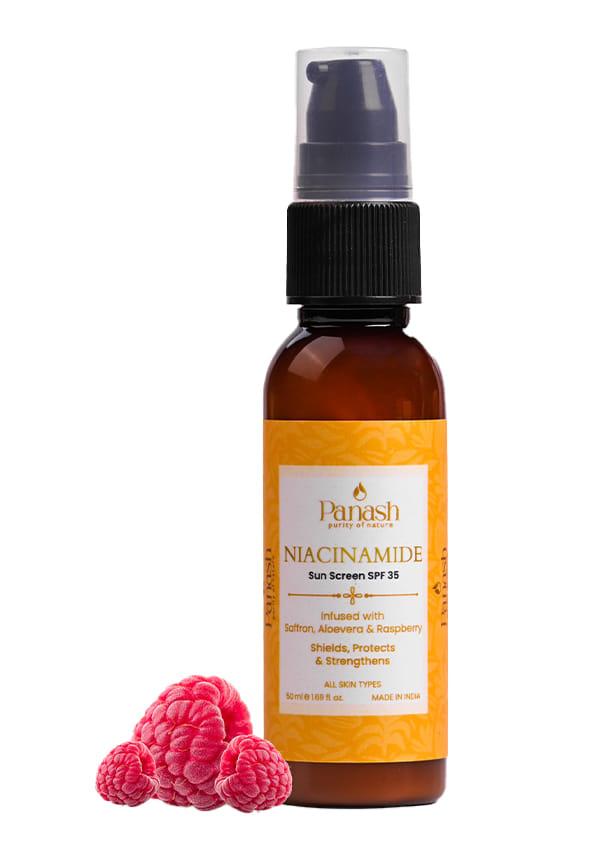 50 gm
50 gmNiacinamide Sun Screen SPF 35
The most effective hyperpigmentation sunscreen goes beyond basic UV protection. Iron oxides provide additional defence against visible light (including blue light from screens), which recent research suggests can worsen melasma. Niacinamide offers gentle brightening benefits whilst strengthening your skin barrier. Antioxidants like vitamin C or E help neutralise free radicals that UV exposure generates.
This debate often leaves people confused, but the answer depends on your specific skin concerns and lifestyle. Mineral sunscreen for pigmentation has distinct advantages, particularly if you're dealing with sensitive skin or melasma that flares with heat and irritation.
Zinc oxide and titanium dioxide - the active ingredients in mineral formulations - sit on your skin's surface, creating a physical barrier that reflects UV rays. They start working immediately upon application and are less likely to cause the irritation that can worsen pigmentation. For those with sensitive skin pigmentation issues, mineral options are often the gentler choice.
Chemical sunscreens absorb UV rays and convert them to heat, which sounds concerning but can actually work beautifully for pigmentation concerns when formulated correctly. Modern chemical filters like avobenzone, octinoxate, and newer options like bemotrizinol offer excellent protection in lightweight formulations that blend seamlessly into all skin tones.
The key is choosing stable formulations that won't break down under UV exposure or cause irritation. Many dermatologists recommend chemical sunscreens for daily wear because they're more cosmetically elegant, encouraging consistent use - and consistency is everything when managing pigmentation.
Different types of pigmentation respond better to specific approaches. Melasma, for instance, is notoriously heat-sensitive, meaning traditional chemical sunscreens that generate heat during UV absorption might actually worsen the condition. Tinted mineral sunscreens with iron oxides are often the preferred choice here.
For post-inflammatory hyperpigmentation from acne, you need formulations that won't clog pores or irritate healing skin. Look for non-comedogenic labels and avoid heavy, occlusive textures that might trap bacteria and cause fresh breakouts.
The best sunscreen for discoloration is the one you'll actually use every single day, rain or shine. This means finding textures and formulations that work with your lifestyle. Gel-based sunscreens work brilliantly under makeup, whilst cream formulations provide extra hydration for dry skin dealing with pigmentation.
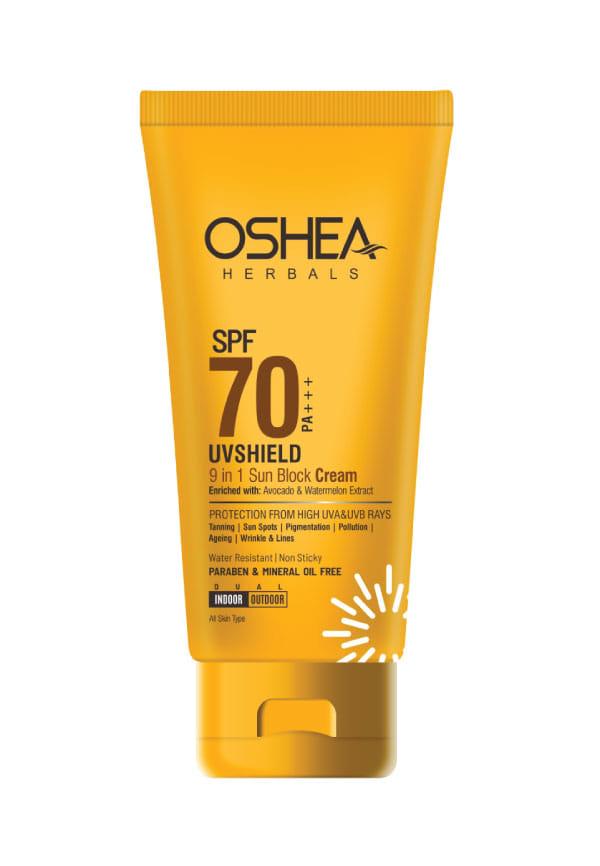 60 gm
60 gmUVshield 9 In 1 Sun Block Cream SPF-70 PA+++
Application technique matters enormously. Most people use about half the recommended amount, which dramatically reduces protection. You need roughly a quarter teaspoon for your face and neck - more than you think. Reapplication every two hours isn't just for beach days; it's essential for maintaining protection during long office days near windows.
Your morning routine should treat sunscreen as the final, crucial step that locks in all your other treatments. After cleansing and applying your vitamin C serum or niacinamide treatment, allow a few minutes for absorption before applying your pigmentation prevention sunscreen.
Evening routines can include stronger actives like retinoids, AHAs, or hydroquinone, but these make morning sun protection even more critical. Many of these ingredients increase photosensitivity, meaning your skin becomes more vulnerable to UV damage and pigmentation.
Your sunscreen needs might shift with the seasons. Summer calls for higher SPF and more frequent reapplication, whilst winter doesn't mean you can skip protection entirely. UVA rays remain constant year-round, and snow reflection can actually increase exposure. Consider switching to richer, more moisturising formulations during colder months to prevent the dryness that can worsen pigmentation.
Beyond basic UV filters, certain ingredients can enhance your sunscreen's pigmentation-fighting power. Tranexamic acid has shown promising results for melasma when included in daily sunscreens. Kojic acid and arbutin offer gentle brightening benefits without the irritation risk of stronger actives.
On the flip side, avoid sunscreens with heavy fragrances, which can trigger inflammation and worsen pigmentation. Oxybenzone and octinoxate have fallen out of favour due to potential hormone disruption concerns, though the research is still evolving.
This is where tinted sunscreens really shine for pigmentation concerns. Iron oxides provide protection against visible light, which standard UV filters don't address. Recent studies suggest that blue light and visible light exposure can worsen melasma, making tinted formulations particularly valuable for those dealing with hormonal pigmentation.
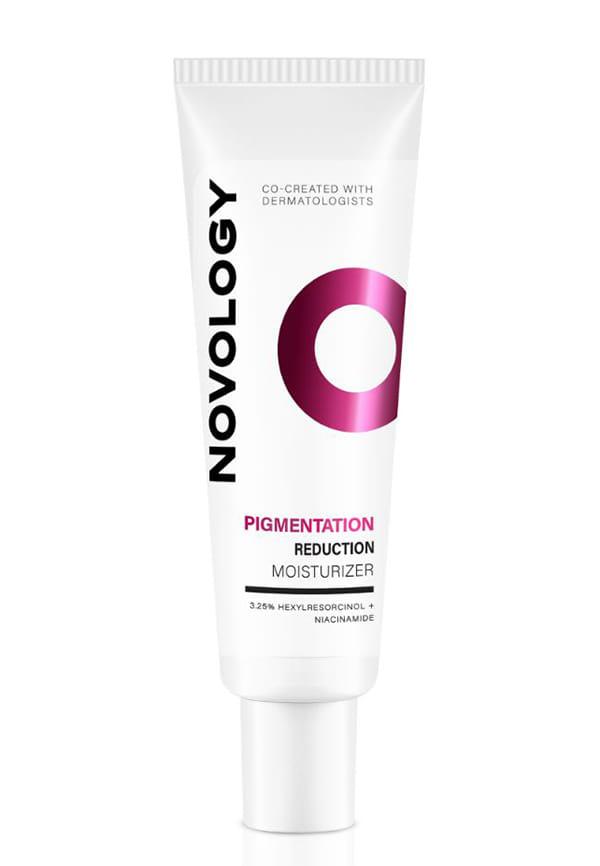 50 g
50 gPigmentation Moisturiser, Face Cream for Hyperpigmentation & Dark Spots
Broad-spectrum mineral sunscreens with SPF 30 or higher work best for most pigmentation concerns. Look for formulations containing zinc oxide or titanium dioxide, ideally with added iron oxides for visible light protection. These provide gentle yet effective coverage without triggering irritation that can worsen dark spots.
Sunscreen prevents existing pigmentation from darkening further, which is crucial for any fading treatment to work effectively. Whilst sunscreen alone won't eliminate dark spots, it creates the protective environment your other treatments need to show results. Think of it as the foundation that makes everything else possible.
Every two hours during extended sun exposure, or immediately after swimming or heavy sweating. For daily office wear, reapplication at lunch provides adequate protection for most people. Powder sunscreens or setting sprays with SPF make midday touch-ups more practical over makeup.
Face-specific formulations are generally gentler and less likely to cause breakouts or irritation that can worsen pigmentation. Body sunscreens often contain higher concentrations of potentially irritating ingredients. For pigmentation-prone areas like the décolletage or hands, consider using your facial sunscreen on these areas too.
Absolutely - in fact, it's essential. Many pigmentation treatments increase photosensitivity, making sun protection even more critical. Apply your treatment serums first, allow them to absorb, then follow with sunscreen. Never skip SPF when using active ingredients, as this can actually worsen pigmentation.
Choosing the right sunscreen for pigmentation issues isn't just about SPF numbers - it's about finding a formulation you'll use consistently, every single day. Whether you opt for mineral or chemical protection, the most important factor is broad-spectrum coverage that shields against both UV and visible light damage.
Remember that managing pigmentation is a marathon, not a sprint. The sunscreen you apply today is protecting against the dark spots that would otherwise appear months from now. Consistency trumps perfection every time, so focus on finding products that fit seamlessly into your daily routine.
For those exploring new formulations, Smytten offers an excellent way to test different sunscreens before committing to full sizes. With over 2,400 brands available and the ability to try minis from trusted names in skincare, you can discover which textures and formulations work best for your specific pigmentation concerns. It's a practical approach to building an effective routine without the guesswork or waste of products that don't suit your skin.
