How to Tackle Stubborn Body Hyperpigmentation: A Dermatology Guide


 236 ml
Brightening Body Wash | Vitamin C Bodywash for Glowing Skin
Let's be real—dealing with stubborn body hyperpigmentation can feel like an uphill battle. While facial dark spots get all the attention (and products), body pigmentation issues often get left behind. Here's the thing: by age 50, nearly 90% of us will experience some form of skin discoloration. The good news? Dermatology has come a long way, and there are proven ingredients that actually work. Whether you're dealing with post-acne marks on your back, dark patches from friction, or sun damage that's overstayed its welcome, this guide breaks down the science-backed solutions that can help you tackle even the most stubborn spots.
Body hyperpigmentation isn't just facial pigmentation's annoying cousin—it's actually more challenging to treat. The skin on your body is thicker, has slower cell turnover, and products don't penetrate as easily. This means what works on your face might need a different approach when applied to your body.
Your body's skin barrier is significantly thicker than facial skin, making it harder for active ingredients to penetrate deeply. Cell turnover rates are also slower on the body, meaning it takes longer to see results from hyperpigmentation treatment. Plus, areas like your back, chest, and legs often get less consistent product application, which can slow down progress.
Post-inflammatory hyperpigmentation (PIH) from acne, ingrown hairs, or injuries is one of the most common culprits. Hormonal changes can trigger melasma-like patches, especially during pregnancy or with certain medications. Sun damage accumulates over years, creating age spots and uneven skin tone. Even everyday friction from clothing or shaving can lead to darkened areas, particularly in skin folds.
Not all dark spots are created equal. Surface-level pigmentation sits in the top layers of skin and responds well to exfoliating acids. Deeper pigmentation has settled into lower skin layers and needs stronger interventions. Understanding whether you're dealing with fresh marks or long-standing discoloration helps determine the best treatment approach.
When dermatologists talk about proven hyperpigmentation treatments, certain ingredients consistently top the list. These powerhouse components have decades of research backing their effectiveness, making them the go-to choices for tackling stubborn body pigmentation.
Hydroquinone remains the gold standard for hyperpigmentation treatment because it directly inhibits melanin production. Over-the-counter formulations contain 2% hydroquinone, while prescription versions can go up to 4%. For body use, the 2% concentration is often sufficient and causes less irritation. Always use hydroquinone under dermatologist guidance, as improper use can worsen pigmentation.
Tretinoin accelerates cell turnover, helping push pigmented cells to the surface faster. This prescription retinoid is particularly effective for deeper pigmentation that hasn't responded to gentler treatments. Start with lower concentrations and gradually increase to avoid irritation. Over-the-counter retinol alternatives work more slowly but are gentler for sensitive skin.
Chemical exfoliants are game-changers for body hyperpigmentation because they remove the top layer of pigmented skin cells. Here's what works best:
Glycolic acid: The smallest alpha-hydroxy acid (AHA) penetrates deeply, making it excellent for surface pigmentation
Salicylic acid: This beta-hydroxy acid (BHA) has anti-inflammatory properties, perfect for post-acne marks
Lactic acid: A gentler AHA that's ideal for sensitive skin or first-time chemical exfoliant users
 250ml
250ml2% Salicylic Acid Exfoliating Body Wash
Beyond the classics, newer ingredients are making waves in the hyperpigmentation world. These science-backed options offer alternatives for those who can't tolerate traditional treatments or want to boost their existing routine.
L-ascorbic acid is the most potent form of vitamin C, but it's also the most unstable. For body use, stable derivatives like magnesium ascorbyl phosphate or sodium ascorbyl phosphate work well. Look for concentrations between 10-20% for optimal skin brightening benefits. Vitamin C also provides antioxidant protection, helping prevent future pigmentation.
Niacinamide (vitamin B3) is a multitasking ingredient that reduces inflammation while evening out skin tone. It's particularly effective for post-inflammatory hyperpigmentation because it calms the skin while working on pigmentation. Concentrations of 5-10% are most effective, and it plays well with other ingredients.
Several newer ingredients are gaining recognition for their hyperpigmentation-fighting abilities:
Azelaic acid: Offers dual benefits for acne and pigmentation, making it perfect for body breakouts
Kojic acid: A natural tyrosinase inhibitor derived from fungi, gentler than hydroquinone
Arbutin: A plant-derived hydroquinone alternative that's safer for long-term use
Cysteamine: A newer ingredient showing promising results in clinical trials
One size doesn't fit all when it comes to hyperpigmentation treatment. Different skin tones and types require tailored approaches to avoid irritation and achieve the best results.
Darker skin tones are more prone to post-inflammatory hyperpigmentation, but they're also more sensitive to irritating treatments. Gentle acids like lactic acid and azelaic acid work well, as do niacinamide and vitamin C. Avoid harsh scrubs or high-concentration acids that might trigger more pigmentation.
If your skin reacts poorly to traditional treatments, natural remedies for hyperpigmentation can be effective. Liquorice root extract, mulberry extract, and bearberry (which contains arbutin) offer gentler alternatives. Start with lower concentrations and patch test everything before full application.
Different body areas need different approaches. Underarms and intimate areas require gentler formulations due to thinner, more sensitive skin. Elbows and knees can handle stronger treatments because the skin is thicker. Back and chest acne scarring often needs a combination of exfoliating acids and anti-inflammatory ingredients.
Sometimes over-the-counter products aren't enough for stubborn pigmentation. Knowing when to seek professional help can save you time, money, and frustration in your hyperpigmentation journey.
 250 ml
1% Kojic Acid Daily Brightening Body Wash with Alpha Arbutin
If you've been consistent with a good routine for 3-6 months without seeing improvement, it's time for professional help. Large patches of pigmentation, rapidly changing spots, or pigmentation that's getting darker despite treatment all warrant a dermatologist visit. They can determine if your pigmentation is superficial or deep and recommend appropriate treatments.
Professional treatments work faster than at-home options because they use higher concentrations of active ingredients. Chemical peels for body hyperpigmentation can include glycolic, salicylic, or TCA peels. Laser therapy and IPL treatments target pigment directly, while microneedling with serums enhances product penetration.
A good at-home routine combines multiple approaches for maximum effectiveness. Morning routines should focus on protection with vitamin C and SPF, while evening routines can include treatment acids or retinoids. Always introduce new ingredients gradually and never use multiple strong actives simultaneously.
Success with body hyperpigmentation requires a strategic approach. Random product application won't cut it—you need a systematic plan that addresses your specific concerns while protecting your skin barrier.
Start with gentle cleansing to prepare the skin without stripping it. Apply treatment products to clean, dry skin, allowing each layer to absorb before adding the next. Follow with a moisturiser to maintain the skin barrier, and never skip SPF during the day—even on cloudy days or when staying indoors.
Some ingredients work better together, while others should never be mixed. Vitamin C pairs well with niacinamide and hyaluronic acid. Retinoids work beautifully with moisturising ingredients but shouldn't be used with acids on the same day. Hydroquinone can be combined with tretinoin under dermatologist supervision for enhanced results.
Hyperpigmentation treatment requires patience. Initial improvements might appear after 4-6 weeks of consistent use, but significant changes typically take 3-6 months. Deep pigmentation can take up to a year to fade completely. Consistency is more important than perfection—missing a day here and there won't derail your progress.
The best hyperpigmentation treatment is prevention. Once you've achieved your desired results, maintaining them requires ongoing effort and smart lifestyle choices.
SPF 30 is the minimum for preventing new pigmentation, but SPF 50 is better for areas prone to darkening. Look for broad-spectrum formulas that protect against both UVA and UVB rays. Iron oxide in tinted sunscreens provides additional protection against visible light, which can worsen melasma and other pigmentation types.
Diet plays a role in skin health—antioxidant-rich foods support your skin's natural repair processes. Hormonal fluctuations can trigger new pigmentation, so discuss hormonal contraceptives or hormone replacement therapy with your doctor if you're prone to melasma. Stress management is crucial, as chronic stress can worsen inflammatory skin conditions.
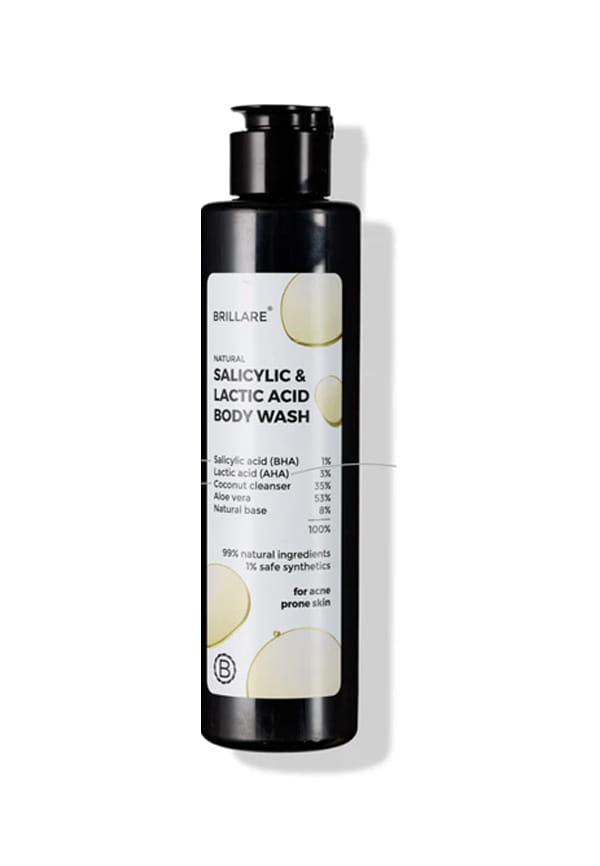 200 ml
Salicylic & lactic Acid Body Wash for Clear, Purified, Acne Prone Skin
Once you've achieved your goals, transition to a maintenance routine with gentler concentrations. Seasonal adjustments might be necessary—you might need stronger treatments in winter when sun exposure is lower. Product rotation can prevent your skin from becoming too accustomed to specific ingredients.
This is where platforms like Smytten become invaluable. With access to trial packs from trusted brands, you can test different hyperpigmentation treatments without committing to full-size products. This approach lets you find the perfect combination of ingredients for your skin type and concerns, making your journey to clearer skin both affordable and effective.
Combine proven ingredients like hydroquinone or tretinoin with chemical exfoliants, vitamin C, and daily SPF 30+ sunscreen. Consistency is key—results typically appear after 3-6 months of regular use.
Hydroquinone at 4% concentration is considered the gold standard, but requires dermatologist supervision. For over-the-counter options, 2% hydroquinone or prescription tretinoin are most effective.
Dermatologists typically recommend hydroquinone as first-line treatment, often combined with tretinoin and chemical exfoliants. The specific combination depends on your skin type and pigmentation severity.
Glycolic acid works best for surface-level discoloration due to its small molecular size. Salicylic acid is excellent for post-acne pigmentation because of its anti-inflammatory properties.
Initial improvements appear in 4-6 weeks, with significant results visible after 3-6 months of consistent treatment. Deep pigmentation may take up to a year to fade completely.
Some natural ingredients like arbutin, kojic acid, and liquorice root extract show promise, but prescription-strength treatments typically deliver faster, more dramatic results for stubborn pigmentation.
Tackling stubborn body hyperpigmentation requires patience, consistency, and the right combination of ingredients. While the journey might feel long, understanding the science behind effective treatments helps you make informed decisions about your skincare routine. Remember that what works for your friend might not work for you—skin is individual, and finding your perfect routine often involves some trial and error.
The key is starting with proven ingredients like hydroquinone, retinoids, or chemical exfoliants, then building a routine that supports your skin barrier while targeting pigmentation. Don't forget that prevention is just as important as treatment—daily SPF and gentle skincare habits will help maintain your results long-term. When in doubt, consult a dermatologist who can assess your specific concerns and recommend the most effective treatment plan for your skin type and goals.
