Sun Care Tips for Summer FAQ: Your Ultimate Guide

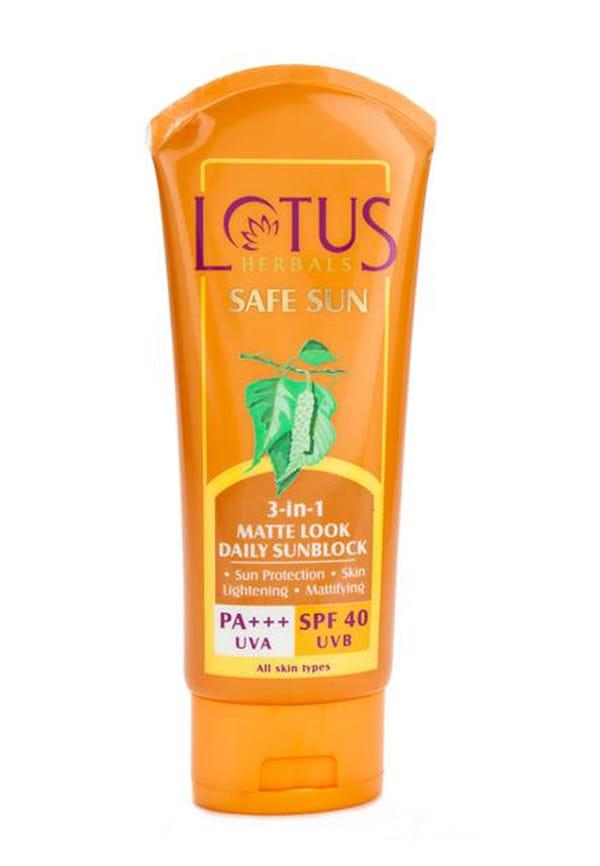 50 gm
50 gmSafe Sun 3 In 1 Matte-Look Daily Sunscreen SPF 40 PA+++
Summer's here, and your skin is already feeling the heat. Whether you're planning beach holidays, outdoor workouts, or simply commuting under the blazing sun, proper sun protection becomes non-negotiable. But with so much conflicting advice floating around, it's easy to feel overwhelmed about what actually works. From choosing the right SPF to understanding when reapplication is crucial, summer sun care involves more than just slapping on some sunscreen and hoping for the best. Let's dive into the most common questions about keeping your skin safe and healthy all season long.
Understanding UV radiation is the first step towards effective sun protection. The sun emits two types of harmful rays that reach your skin: UVA rays penetrate deep into the skin and cause premature ageing, whilst UVB rays are responsible for sunburn and play a key role in developing skin cancer. Both types are present year-round, but summer's intensity makes protection absolutely critical.
Peak sun hours typically fall between 10 AM and 4 PM, when UV rays are strongest. During these hours, your shadow appears shorter than your height, which is a simple way to gauge UV intensity. The UV index provides daily forecasts of UV radiation levels, with readings of 6 or higher requiring extra protection measures beyond basic sunscreen application.
Summer sun care requires a more robust approach than your regular routine. Higher temperatures mean increased sweating, which can dilute sunscreen effectiveness. Longer daylight hours expose you to UV radiation for extended periods, and outdoor activities often involve water or sand that reflect additional UV rays onto your skin. Your skin also becomes more vulnerable after winter months of reduced sun exposure.
Choosing the right sunscreen goes beyond picking the highest SPF number on the shelf. Broad-spectrum protection is essential, meaning your sunscreen blocks both UVA and UVB rays. SPF 30 provides adequate protection for most daily activities, blocking about 97% of UVB rays, whilst SPF 50 blocks roughly 98%.
Physical sunscreens contain zinc oxide or titanium dioxide that sit on your skin's surface and reflect UV rays. They work immediately upon application and are ideal for sensitive skin. Chemical sunscreens absorb UV radiation and convert it to heat, requiring 15-20 minutes to become effective after application.
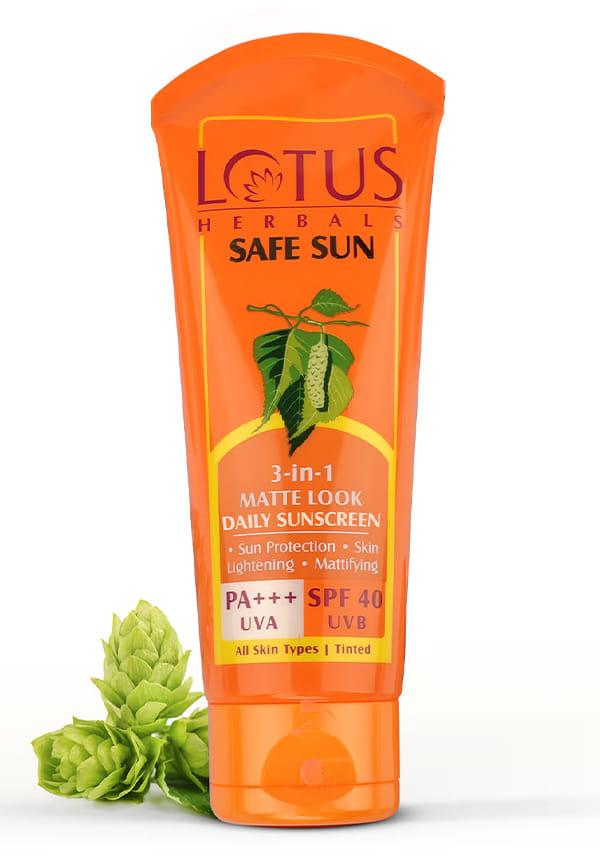 100 gm
Safe Sun 3 In 1 Matte-Look Daily Sunscreen SPF 40 PA+++
The golden rule is using 2 milligrams per square centimetre of skin, which translates to about a teaspoon for your face and neck, and a shot glass amount for your entire body. Most people apply only 25-50% of the recommended amount, significantly reducing protection levels. Don't forget often-missed spots like your ears, feet, lips, and the back of your neck.
Reapply sunscreen every two hours, or immediately after swimming, sweating heavily, or towelling off. Water-resistant formulas maintain their SPF for 40 minutes in water, whilst very water-resistant versions last 80 minutes. However, no sunscreen is completely waterproof, so reapplication remains crucial.
Your summer skincare routine needs to balance protection with the season's unique challenges. Start your morning with a gentle cleanser to remove overnight buildup, followed by a lightweight, hydrating serum containing ingredients like hyaluronic acid or niacinamide. These help maintain your skin barrier without feeling heavy in humid weather.
Layer an antioxidant serum containing vitamin C, vitamin E, or green tea extract before your sunscreen. Antioxidants provide additional protection against free radical damage from UV exposure and environmental pollutants. Choose a moisturiser with SPF for daily wear, but remember that dedicated sunscreen typically offers superior protection for extended outdoor activities.
Your evening routine should focus on repair and recovery. Use a thorough cleanser to remove sunscreen, sweat, and environmental debris. Follow with soothing ingredients like aloe vera, ceramides, or centella asiatica to calm any inflammation from sun exposure. Gentle exfoliation 2-3 times weekly helps remove dead skin cells and maintain a healthy glow.
Even with the best protection, occasional sun overexposure happens. Immediate after sun care can minimise damage and discomfort. Cool your skin with a lukewarm shower or bath, avoiding hot water that can further irritate sun-damaged skin. Pat dry gently and apply a cooling moisturiser whilst your skin is still damp to lock in hydration.
 100 gm
Safe Sun Dry-Touch Whitening Sunscreen SPF 40 PA+++
Aloe vera gel provides immediate cooling relief and contains compounds that help reduce inflammation. Look for products with at least 90% aloe vera content for maximum effectiveness. Ceramide-rich moisturisers help restore your skin barrier, whilst ingredients like oat extract can soothe irritation and reduce redness.
Severe sunburn requires professional care. Seek medical attention if you experience blistering, fever, chills, severe pain, or signs of infection. Avoid products containing alcohol, petroleum, or numbing agents like benzocaine, which can trap heat or cause allergic reactions on compromised skin.
Combine multiple protection methods: apply broad-spectrum SPF 30+ sunscreen 15-20 minutes before sun exposure, seek shade during peak hours (10 AM-4 PM), wear protective clothing with UPF ratings, and use wide-brimmed hats and UV-blocking sunglasses. Reapply sunscreen every two hours and after swimming or sweating.
Follow the Slip, Slop, Slap, Seek, Slide method: Slip on protective clothing, Slop on broad-spectrum sunscreen, Slap on a wide-brimmed hat, Seek shade during peak UV hours, and Slide on wraparound sunglasses. This comprehensive approach provides maximum protection against harmful UV radiation.
Natural protection includes seeking shade, wearing tightly woven clothing in dark colours, timing outdoor activities for early morning or late afternoon, staying hydrated, and eating antioxidant-rich foods. However, natural methods alone aren't sufficient for adequate protection and should complement, not replace, proper sunscreen use.
 50 gm
50 gmSafe Sun Dry-Touch Whitening Sunscreen SPF 40 PA+++
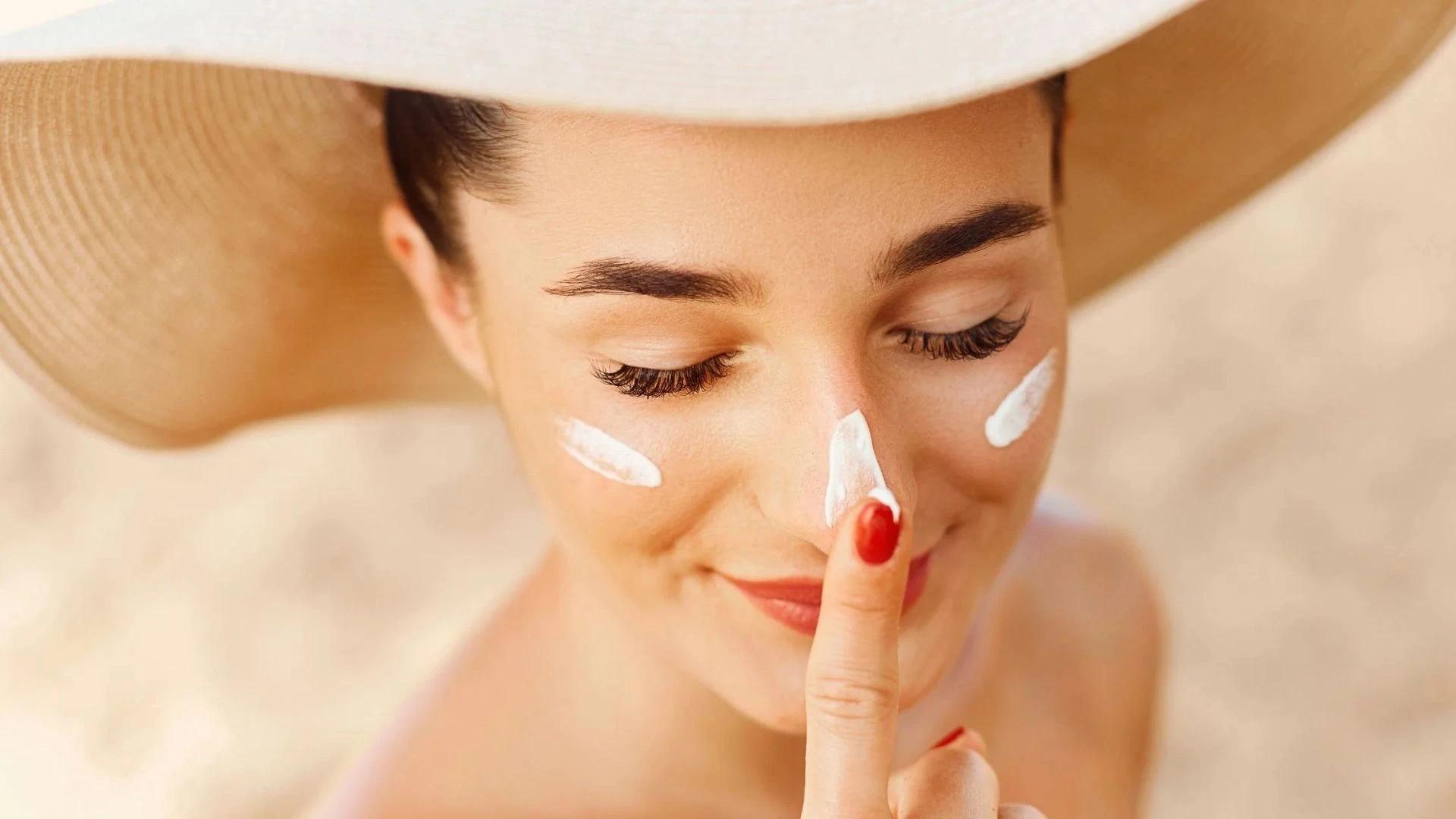
The 3 finger rule suggests using three finger-lengths of sunscreen for your face and neck. Draw lines of sunscreen along your index, middle, and ring fingers, then blend evenly across your face. This typically provides the recommended 2mg per square centimetre coverage for adequate protection.
Morning: cleanse, apply antioxidant serum, moisturise, then broad-spectrum SPF 30+. Reapply sunscreen every two hours when outdoors. Evening: double cleanse to remove sunscreen, apply soothing moisturiser with ceramides or aloe vera, and use gentle exfoliation 2-3 times weekly to maintain healthy skin turnover.
Check the expiration date and product consistency. Sunscreen typically lasts 2-3 years unopened, but degrades faster once opened, especially if exposed to heat. If your sunscreen has changed colour, consistency, or smell, or if it's past its expiry date, replace it immediately for reliable protection.
Yes, up to 80% of UV rays penetrate clouds, meaning you can still get sunburned on overcast days. Light clouds provide minimal UV protection, whilst heavy cloud cover only reduces UV exposure by about 10%. Maintain your daily sunscreen routine regardless of weather conditions.
Use approximately 35ml (about a shot glass worth) to cover your entire body. This breaks down to roughly one teaspoon each for your face and neck, each arm, each leg, your front torso, and your back. Most people apply far less than recommended, reducing protection significantly.
Effective summer sun protection isn't about perfection—it's about consistency and smart choices. Your skin will thank you for establishing protective habits now, whether that's setting phone reminders for sunscreen reapplication or investing in quality UV-protective clothing. Remember that sun damage accumulates over time, making daily protection far more important than occasional intensive care.
Finding the right products for your skin type and lifestyle makes all the difference in maintaining your routine. Smytten's curated selection includes trusted sun care brands from Cetaphil to Dot & Key, with options for every skin concern and budget. With over 28 million users discovering their perfect products through trial-sized options, you can explore different formulations before committing to full sizes. If you're curious about trying new sun care products but not ready to invest in full-size versions, Smytten also offers minis from many leading brands, making it easier to find your ideal summer protection routine.
