Haircare
•06 min read

 300 ml
Dandruff Control Shampoo For Itchy, Flaky Scalp
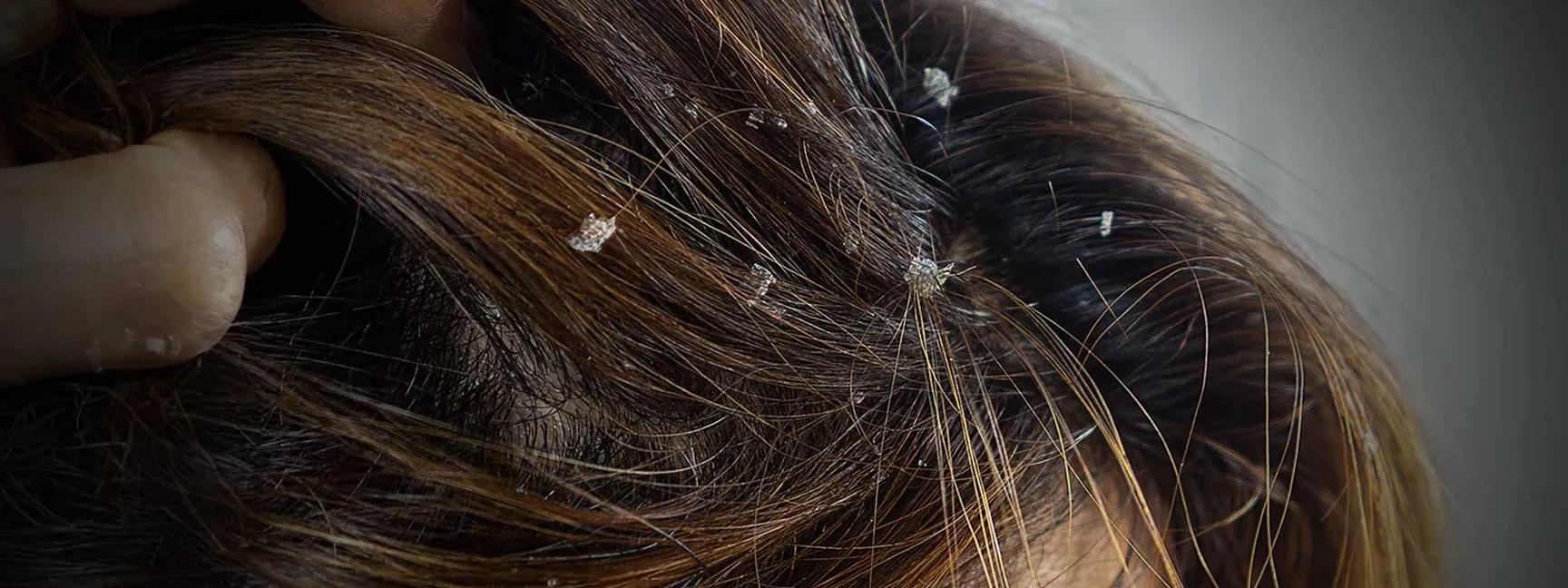
Dealing with an oily flaky scalp can feel like you're stuck in a never-ending cycle of frustration. One day your scalp feels greasy, the next it's covered in white flakes that seem to multiply overnight. Unlike regular dandruff, an oily flaky scalp presents a unique challenge that requires targeted oily flaky scalp solutions. This condition affects millions of people worldwide, yet many struggle to find effective treatments because they're treating the symptoms rather than addressing the root cause. Let's dive into seven proven solutions that actually work, so you can finally say goodbye to that embarrassing flake-and-grease combo.
Before jumping into solutions, it's crucial to understand what's actually happening on your scalp. The combination of oil and flakes isn't just bad luck—it's usually a sign of seborrheic dermatitis, a common inflammatory skin condition that affects areas rich in oil glands.
Your scalp contains sebaceous glands that naturally produce oil (sebum) to keep your hair and skin moisturised. When these glands go into overdrive, they create the perfect environment for a yeast called Malassezia to thrive. This yeast feeds on the excess oil and triggers scalp inflammation, leading to the characteristic combination of greasiness and flaking.
Many people make the mistake of treating oily flaky scalp like regular dry dandruff. They reach for moisturising treatments or gentle shampoos, which can actually make the problem worse by adding more oil to an already overactive scalp. The key is finding seborrheic dermatitis treatment that addresses both the excess oil production and the underlying inflammation.
The first line of defence against oily flaky scalp is a quality dandruff shampoo with proven anti-fungal ingredients. These aren't your average drugstore shampoos—they contain active ingredients specifically designed to combat the yeast overgrowth causing your symptoms.
Ketoconazole is considered the gold standard for treating seborrheic dermatitis. It directly targets Malassezia yeast whilst reducing inflammation. Selenium sulfide works by slowing down skin cell turnover and has anti-fungal properties. Zinc pyrithione offers both anti-fungal and antibacterial benefits, making it excellent for comprehensive scalp care.
Here's where most people go wrong: they treat medicated shampoo like regular shampoo. Instead, apply it to wet hair, massage gently into the scalp, and leave it on for 3-5 minutes before rinsing. This contact time allows the active ingredients to penetrate and do their work. Use these shampoos 2-3 times per week initially, then reduce to once weekly for maintenance.
Salicylic acid is your secret weapon for oily scalp care because it's both oil-soluble and keratolytic, meaning it can penetrate through oil buildup and dissolve the "glue" that holds dead skin cells together.
This beta-hydroxy acid works by gently exfoliating the scalp surface, removing built-up oil, dead skin cells, and product residue. It also has mild anti-inflammatory properties that help calm irritated skin. Look for treatments with 1-2% salicylic acid concentration—anything higher might be too harsh for regular use.
Whilst you can find salicylic acid scalp treatments in stores, some people prefer making their own using salicylic acid powder mixed with a carrier oil like jojoba. However, commercial formulations are often more stable and easier to use consistently. The key is finding a product that doesn't leave your scalp feeling stripped or overly dry.
Natural treatments can be incredibly effective for providing itchy scalp relief whilst being gentler on sensitive skin. These flaky scalp home remedies work best when used consistently as part of a comprehensive treatment plan.
 100 ml
Neem Oil
Tea tree oil contains compounds called terpenes that have proven anti-fungal and anti-inflammatory properties. Mix 5-10 drops with a carrier oil like coconut or jojoba oil, massage into your scalp, and leave for 20 minutes before washing out. Never use tea tree oil undiluted, as it can cause irritation.
Your scalp's natural pH is slightly acidic (around 4.5-5.5), but many shampoos and treatments can disrupt this balance. Apple cider vinegar helps restore the proper pH, creating an environment where beneficial bacteria can thrive whilst harmful yeast struggles to survive. Mix one part vinegar with three parts water for a gentle rinse.
Fresh aloe vera gel provides immediate cooling relief for inflamed, itchy scalps. It contains compounds like acemannan that have anti-inflammatory properties. Apply pure aloe vera gel to your scalp, leave for 15-20 minutes, then rinse with cool water.
Sometimes, what appears to be seborrheic dermatitis might actually be scalp psoriasis or another condition requiring professional intervention. Knowing when to seek help can save you months of ineffective self-treatment.
If your symptoms persist after 4-6 weeks of consistent treatment, if you experience severe itching that disrupts sleep, or if you notice thick, silvery scales rather than yellowish flakes, it's time to consult a professional. Scalp psoriasis treatment requires different approaches than seborrheic dermatitis.
Dermatologists have access to stronger formulations of anti-fungal medications, topical steroids for severe inflammation, and newer treatments like calcineurin inhibitors. They can also prescribe oral medications for stubborn cases that don't respond to topical treatments.
Your scalp health is intimately connected to your overall health. Making strategic lifestyle changes can significantly improve your results and prevent future flare-ups.
Certain foods can trigger or worsen scalp inflammation. Focus on omega-3 rich foods like salmon and walnuts, antioxidant-packed berries, and zinc-rich foods like pumpkin seeds. Limit processed foods, excess sugar, and dairy, which some people find triggers their symptoms.
Stress directly impacts hormone levels, which can increase oil production and trigger inflammatory responses. Regular exercise, meditation, adequate sleep, and stress-reduction techniques can all contribute to better scalp health. Even 10 minutes of daily meditation can make a noticeable difference.
Your daily hair care routine plays a crucial role in managing oily flaky scalp. Small changes can yield big results when implemented consistently.
Contrary to popular belief, washing oily hair daily isn't always the answer. Over-washing can strip your scalp, causing it to produce even more oil. Most people with oily flaky scalp do best washing every other day with a gentle, pH-balanced shampoo, using medicated shampoo 2-3 times per week.
 100 ml
Coconut Oil
Not all scalp moisturisers are created equal. Look for lightweight, non-comedogenic formulas that won't clog pores. Ingredients like hyaluronic acid and niacinamide can provide hydration without adding oil. Avoid heavy creams or oil-based products that might exacerbate the problem.
Excessive heat can irritate an already sensitive scalp and increase oil production. When you do use heat tools, always apply a heat protectant and keep temperatures below 180°C. Consider air-drying more often or using lower heat settings.
Modern technology has introduced innovative approaches to treating scalp inflammation and maintaining scalp health. These cutting-edge solutions can complement traditional treatments for enhanced results.
Red light therapy (around 660-850nm wavelength) has shown promise in reducing scalp inflammation and promoting healing. Some at-home devices are now available, though professional treatments tend to be more powerful. The anti-inflammatory effects can help calm irritated scalp tissue.
Gentle scalp brushes and exfoliation tools can help remove buildup without over-stimulating oil production. Look for soft silicone brushes rather than harsh bristles. Use these tools sparingly—once or twice a week maximum—to avoid irritation.
Emerging research suggests that balancing the scalp microbiome with beneficial bacteria can help control harmful yeast overgrowth. Some new products contain live probiotics or prebiotics designed to support a healthy scalp environment. When exploring new haircare solutions, platforms like Smytten make it easier to try different products without committing to full sizes. With trial packs from trusted brands, you can test various treatments to find what works best for your specific scalp needs.
Most people notice some improvement within 2-4 weeks of consistent treatment. However, it can take 6-8 weeks to see significant changes, and maintenance is usually required to prevent recurrence.
Generally, no. Dry scalp remedies often contain moisturising ingredients that can worsen oily scalp conditions. It's important to use products specifically formulated for oily or combination scalp types.
This is normal and often indicates that the treatment is working. As dead skin cells are loosened and shed more rapidly, you might notice increased flaking for the first 1-2 weeks before improvement begins.
Most natural treatments are safe, but always consult your healthcare provider before using medicated shampoos or treatments during pregnancy. Some ingredients like salicylic acid should be used with caution.
Overly harsh treatments can potentially damage hair follicles. Always follow product instructions, start with lower concentrations, and discontinue use if you experience excessive hair shedding or scalp irritation.
Managing an oily flaky scalp requires a multi-faceted approach that addresses both the underlying causes and symptoms. The seven solutions outlined here—from medicated shampoos to lifestyle changes—work best when combined strategically rather than used in isolation. Remember that consistency is key, and what works for one person might not work for another. The most important thing is to be patient with the process and willing to adjust your approach based on how your scalp responds. With over 25 million users discovering effective solutions through trial and error, Smytten understands that finding the right haircare routine shouldn't involve guesswork. Whether you're exploring natural treatments or medicated options, the platform's trial packs let you test different approaches affordably before committing to full-size products. After all, why settle for maybe when you can try it all and find what actually works for your unique scalp needs?
