Sunscreen for Combination Skin FAQ: Your Top Questions Answered


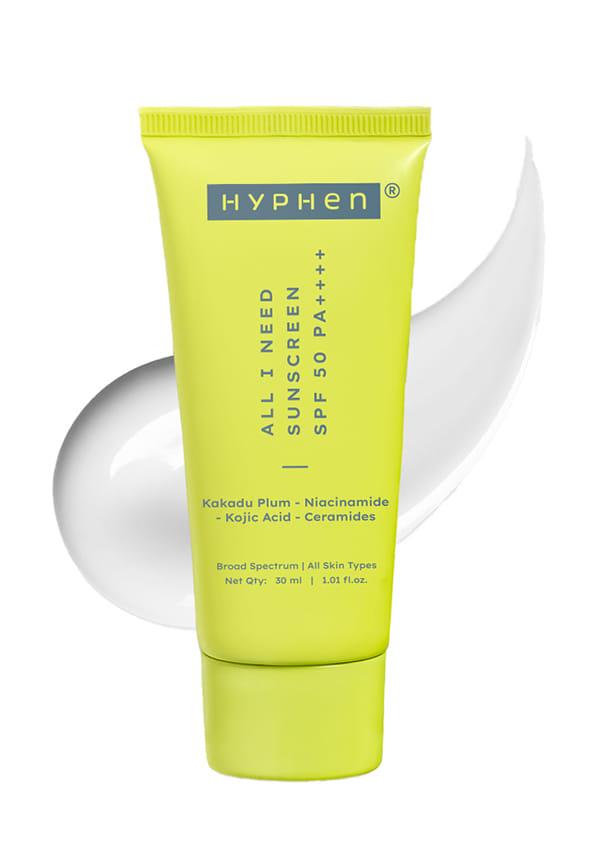 30 gm
30 gmAll I Need Sunscreen SPF 50 PA++++
You've finally found a skincare routine that works for your combination skin, but then summer hits and your T-zone turns into an oil slick while your cheeks feel tight and dry. Sound familiar? The struggle is real when half your face needs moisture and the other half needs oil control — especially when it comes to choosing the right sunscreen for combination skin. Let's sort through the confusion and find answers to your most pressing SPF questions.
Combination skin is like having two different skin types on one face. Your T-zone (forehead, nose, and chin) produces excess oil, whilst your cheeks and outer areas tend to be normal or even dry. This creates a proper puzzle when choosing sun protection because what works for oily areas might leave dry zones feeling parched, and what hydrates your cheeks could turn your T-zone into a greasy mess.
Most standard sunscreens are formulated for one skin type, which is why they often fail combination skin. Heavy, moisturising formulas can clog pores in your oily zones, whilst lightweight, oil-free options might not provide enough hydration for drier areas. The key is finding a balanced formula that addresses both concerns without compromising protection.
Your combination skin also means different areas have varying sensitivities. The thinner skin around your eyes and cheeks might react to chemical filters, whilst your oily T-zone could handle stronger active ingredients. This is why many people with combination skin find themselves using different products on different areas of their face — and that's perfectly fine.
The best sunscreen for face with combination skin strikes a balance between protection and comfort. Look for formulas that contain zinc oxide or titanium dioxide as they provide broad-spectrum protection without irritating sensitive areas. These mineral sunscreen ingredients sit on top of your skin rather than absorbing into it, making them ideal for reactive skin.
Niacinamide is another brilliant ingredient to spot on labels. It helps regulate oil production in your T-zone whilst strengthening the skin barrier in drier areas. Many dermatologists recommend looking for this multitasking ingredient in your daily sunscreen.
Texture matters enormously for combination skin. Lightweight sunscreen formulas in gel or lotion form tend to work best. They absorb quickly without leaving a heavy film, and many are formulated to be oil free sunscreen options that won't exacerbate shine in your T-zone.
For SPF levels, aim for at least SPF 30 for daily wear, though SPF 50 offers extra protection if you're spending time outdoors. The difference in protection between SPF 30 and 50 is significant — SPF 30 blocks about 97% of UVB rays, whilst SPF 50 blocks about 98%. That extra 1% can make a real difference for combination skin that's already dealing with multiple concerns.
Understanding the different types of sunscreen formulations helps you make better choices for your specific skin needs. Each type offers unique benefits that can work brilliantly for combination skin when chosen thoughtfully.
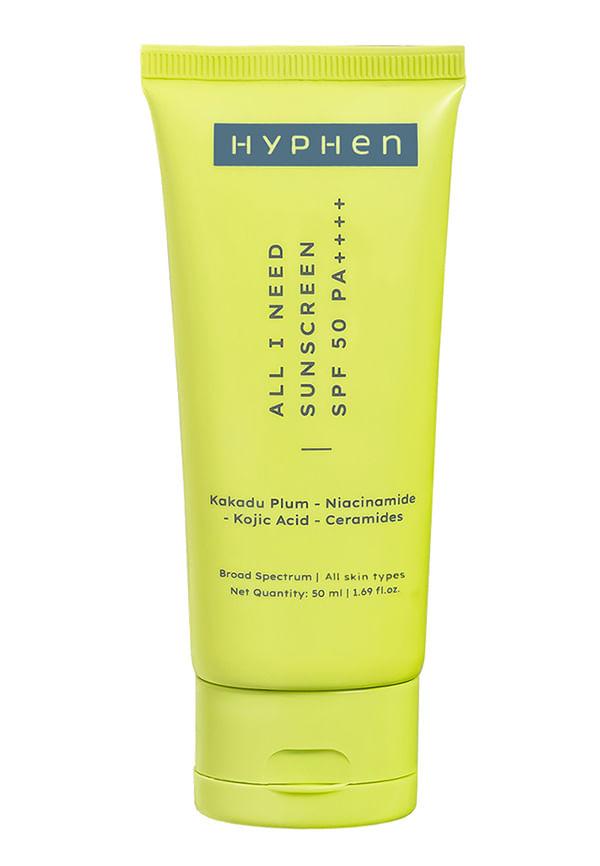 50 ml
50 mlAll I Need Sunscreen SPF 50 PA++++
Mineral sunscreen options containing zinc oxide or titanium dioxide are often the safest bet for combination skin. They're less likely to cause irritation and work immediately upon application. However, some mineral formulas can feel heavy or leave a white cast, which isn't ideal for daily wear.
Chemical sunscreens absorb UV rays and convert them to heat. They tend to be more cosmetically elegant and lightweight, making them excellent for oily areas. However, they can sometimes irritate sensitive zones on combination skin. Many modern formulas combine both mineral and chemical filters for balanced protection.
Men with combination skin often prefer mattifying formulas that control shine throughout the day. Quick-absorbing textures work well under facial hair and don't interfere with grooming routines. Teenagers dealing with combination skin and acne need non comedogenic sunscreen options that won't worsen breakouts whilst providing reliable protection for active lifestyles.
Application technique can make or break your sunscreen experience with combination skin. Start with clean skin and apply your regular moisturiser if needed — lighter on the T-zone, more generous on dry areas. Wait a few minutes for it to absorb before applying sunscreen.
Use about a quarter teaspoon of sunscreen for your entire face and neck. Apply it in sections, using gentle patting motions rather than rubbing. Pay extra attention to areas that catch more sun like your nose, forehead, and cheekbones. Don't forget your ears, neck, and the area around your eyes.
For reapplication throughout the day, blotting papers can be your best friend. Gently press away excess oil from your T-zone before reapplying sunscreen. If you wear makeup, consider using a setting spray with SPF or a powder sunscreen for touch-ups.
Layering is crucial for combination skin. In winter, you might need a hydrating serum under your sunscreen for dry areas. In summer, a lightweight, oil-controlling primer might work better under your SPF to manage shine.
Combination skin often comes with additional concerns like acne, sensitivity, or hyperpigmentation. The right sunscreen can actually help address these issues rather than just protecting against sun damage.
UV exposure can darken existing acne scars and slow down the healing process of active breakouts. Daily sunscreen use is essential for preventing post-inflammatory hyperpigmentation, especially in the oily T-zone where breakouts are more common.
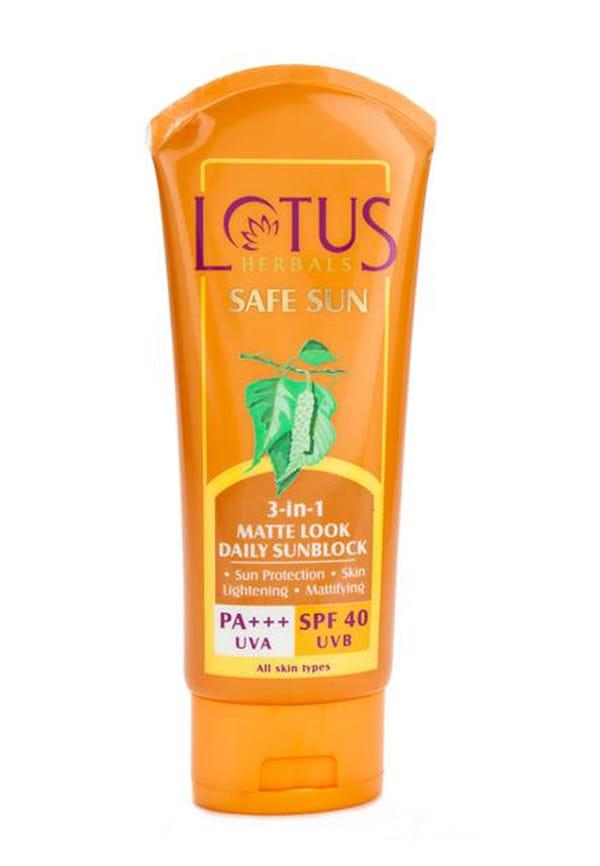 50 gm
50 gmSafe Sun 3 In 1 Matte-Look Daily Sunscreen SPF 40 PA+++
Look for sunscreen for acne prone skin that's labelled non-comedogenic. These formulas won't clog pores or contribute to new breakouts. Ingredients like zinc oxide can even have mild anti-inflammatory properties that help calm irritated skin.
If you're dealing with fungal acne (malassezia), avoid sunscreens containing oils, fatty acids, or esters that can feed the yeast. Stick to simple, mineral-based formulas with minimal ingredients. Many gel-based sunscreens are naturally malassezia-safe and work well for combination skin.
Patch testing is essential for combination skin since different areas can react differently to products. Test new sunscreens on both your T-zone and cheek area for at least a week before committing to daily use.
Consider having different sunscreens for different seasons. Your skin's needs change throughout the year — you might need a more hydrating formula in winter and a mattifying one in summer. Many people with combination skin keep two different SPF products and mix them as needed.
Don't get caught up in brand hype or price tags. Some of the most effective sunscreens for combination skin are budget-friendly options available at your local chemist. Focus on the ingredient list and how the product feels on your skin rather than marketing claims.
Reading labels becomes second nature once you know what to look for. Avoid alcohol-heavy formulas that can dry out your cheeks whilst triggering more oil production in your T-zone. Look for ingredients like niacinamide, hyaluronic acid, or ceramides that benefit combination skin.
Rather than focusing on specific brands, look for key features: broad-spectrum protection, non comedogenic formulation, and ingredients like zinc oxide or niacinamide. Many dermatologist-recommended brands offer excellent options, but the best sunscreen is one that you'll actually use daily because it feels comfortable on your skin.
SPF 30 is the minimum for daily protection, but SPF 50 offers better coverage if you're outdoors frequently or have a history of sun damage. Higher SPF doesn't mean you can skip reapplication — every two hours is still the rule regardless of your SPF level.
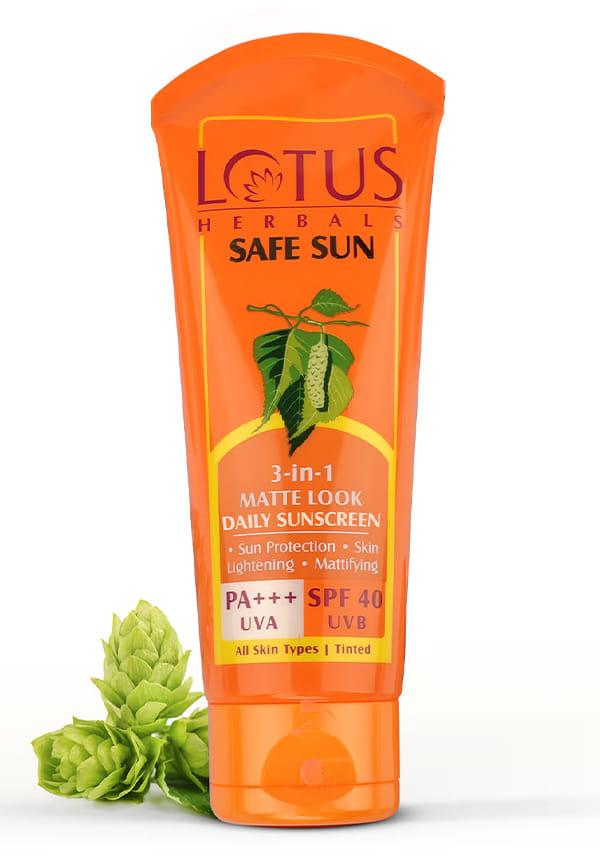 100 gm
Safe Sun 3 In 1 Matte-Look Daily Sunscreen SPF 40 PA+++
Every two hours during sun exposure, or immediately after swimming or sweating. For combination skin, blot away excess oil before reapplying to ensure even coverage. If you wear makeup, powder sunscreens or setting sprays with SPF can help with midday touch-ups.
Your combination skin's needs change with the seasons. You might need a more hydrating formula in winter when heating systems dry out your skin, and a mattifying option in summer when humidity increases oil production. Having two different formulas gives you flexibility.
Not necessarily. Price doesn't always correlate with effectiveness for combination skin. Some affordable options perform brilliantly, whilst some luxury formulas might be too heavy or contain unnecessary ingredients that irritate sensitive areas. Focus on formulation rather than price point.
Absolutely, if that works for your skin. Many people with combination skin use a mattifying formula on their T-zone and a more hydrating one on their cheeks. This targeted approach can give you better results than trying to find one product that does everything.
Some sunscreens contain ingredients like niacinamide or zinc oxide that can help regulate oil production over time. However, sunscreen's primary job is protection — oil control is a bonus benefit, not the main goal.
This usually happens when you're using too much product or applying it over incompatible skincare. Try using less product, waiting longer between skincare steps, or switching to a different texture that works better with your routine.
Finding the right sunscreen for combination skin doesn't have to be a guessing game. Focus on formulas that balance protection with comfort, and don't be afraid to use different products on different areas of your face if that's what works best for your skin.
Remember that the best sunscreen is the one you'll use consistently. Whether that's a budget-friendly option from the chemist or a premium formula with added skincare benefits, daily SPF use is what matters most for protecting your combination skin from UV damage and preventing future concerns.
Your skin's needs will evolve with seasons, age, and lifestyle changes, so stay flexible with your choices. What works brilliantly in winter might feel too heavy in summer, and that's perfectly normal. The key is listening to your skin and adjusting accordingly whilst never compromising on protection.
